Andrzej Krempiński, a PhD student at the University of Łódź (Poland), spent a month as a visiting researcher in Prof. Justina Gaidukevič’s research group at Vilnius University (VU) Faculty of Chemistry and Geosciences (FCHG). There he worked on an electrochemical sensor for detecting the food dye Patent Blue V.
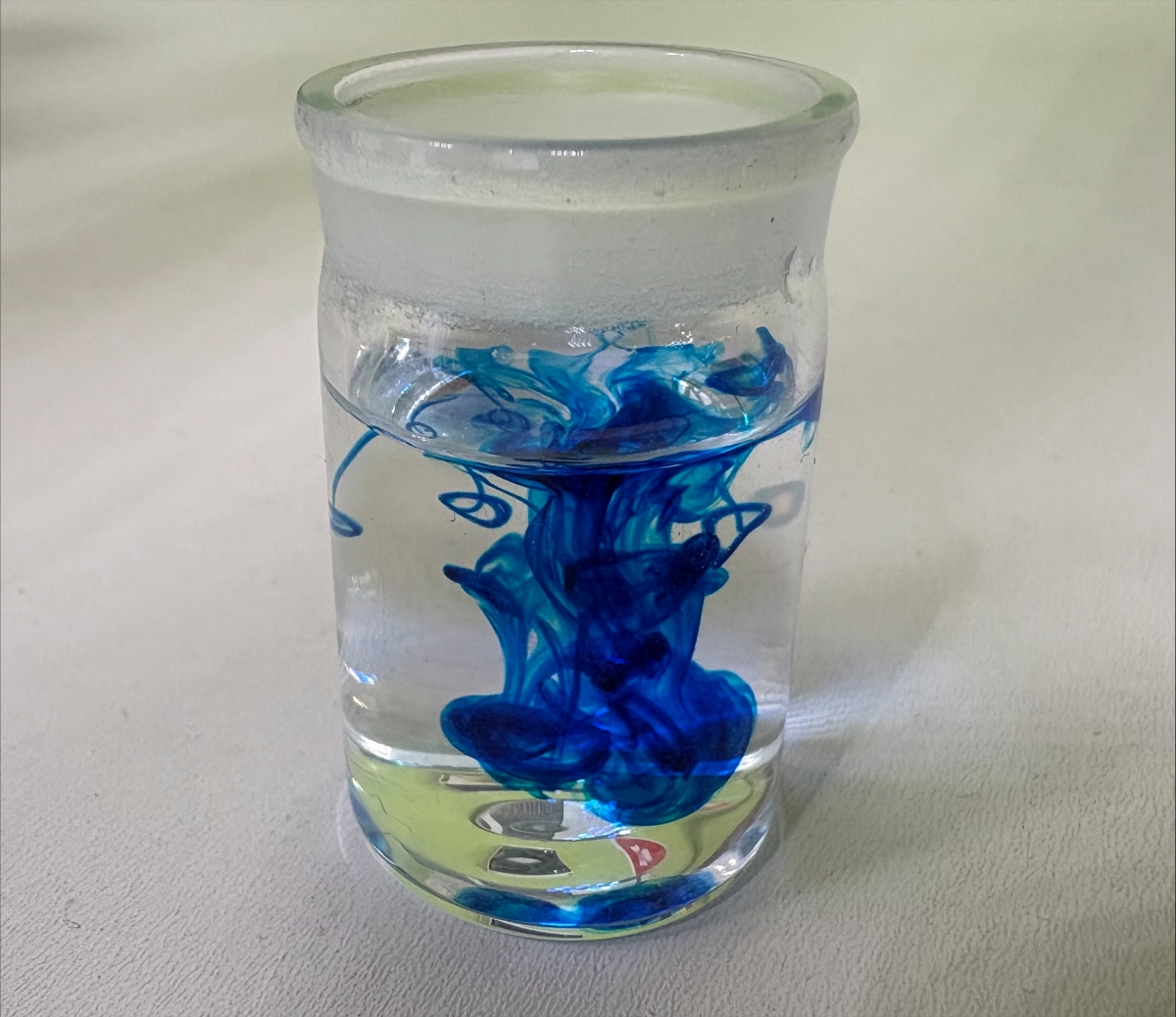
Krempiński’s research focuses on developing electrochemical sensors for food quality control, in particular for detecting and measuring dyes in food products. “I modified a glassy carbon electrode with graphene oxide and agarose gel. I then used techniques such as cyclic voltammetry (CV) and differential pulse voltammetry (DPV) to investigate its electrochemical properties. I observed an improvement in the response of the modified electrodes, but since we plan to publish a paper based on this work, I can’t disclose more detailed results yet,” he says.
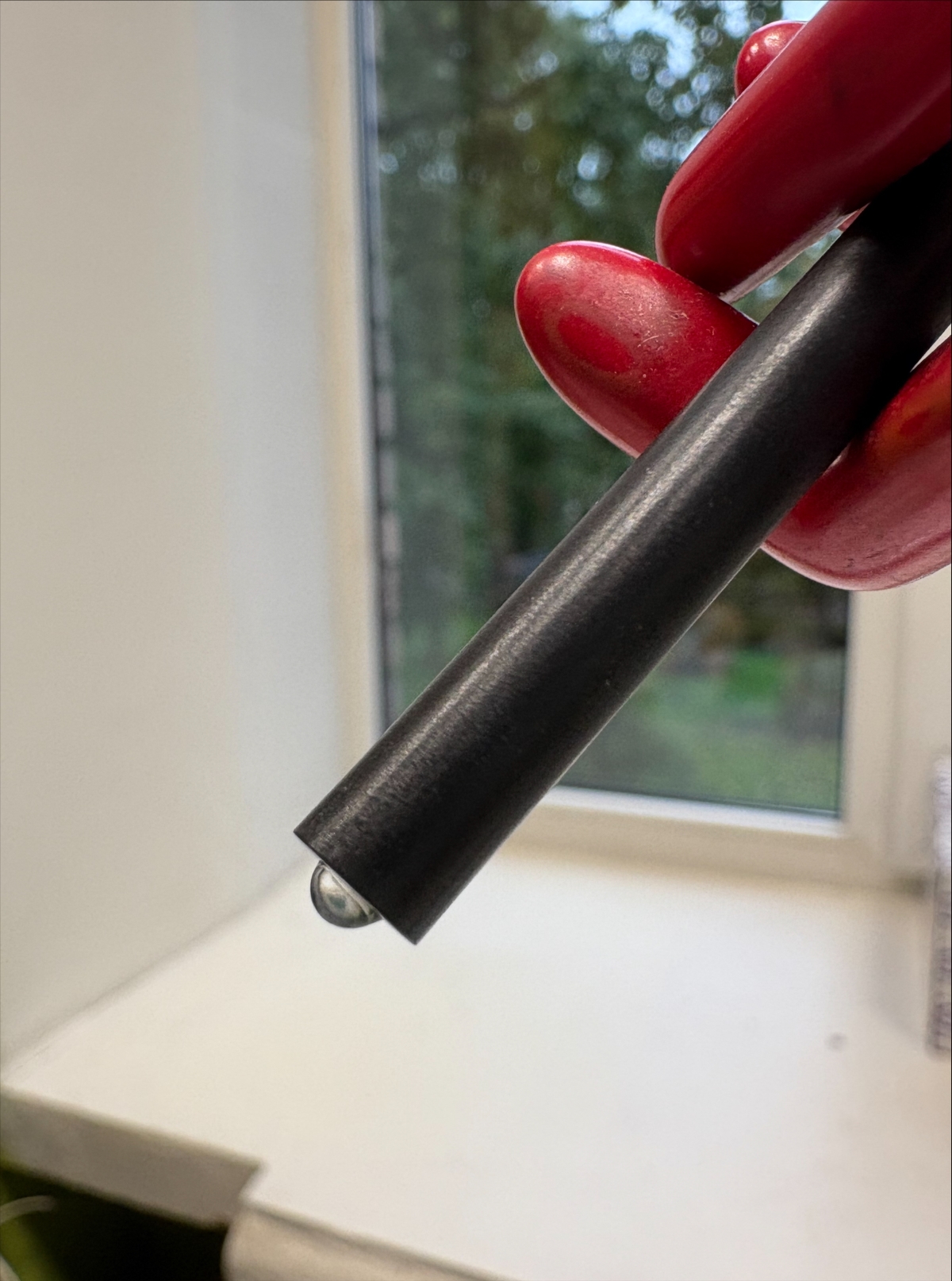
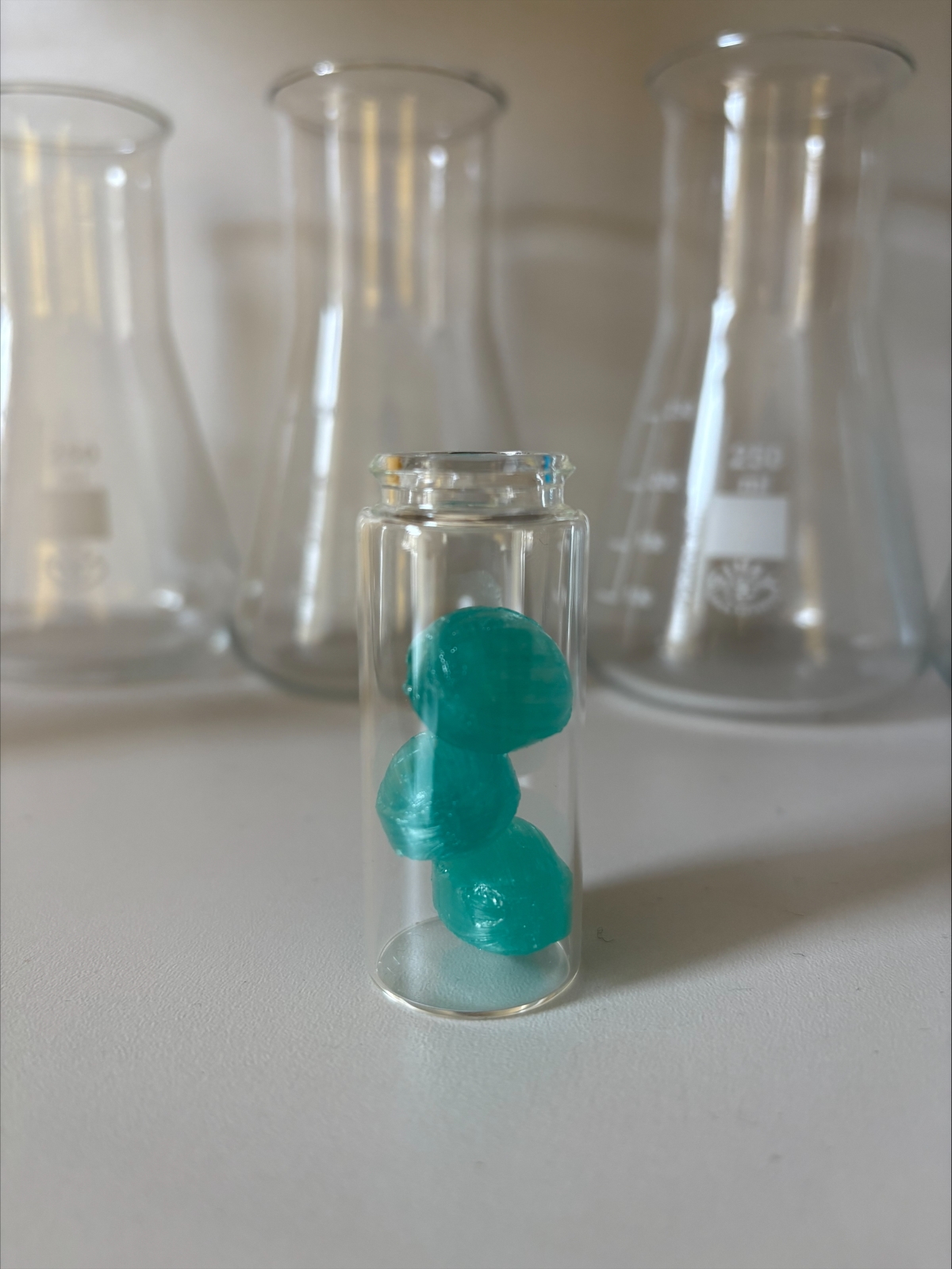
In Poland, he is working on the project eCS(S)I – “Electrochemical Sensors Based on Soft Liquid Interfaces for Food Quality Control”, funded by Poland’s National Science Centre. Krempiński is a member of the Electrochemistry@Soft Interfaces (E@SI) group at the University of Łódź, led by Prof. Łukasz Półtorak. “I became interested in this topic because it combines chemistry with practical applications that can directly benefit consumers,” he says. The PhD student is particularly interested in combining gelled interfaces between two immiscible electrolyte solutions (ITIES) with 3D printing technology: “I aim to test these sensors both in model systems and with real food samples.”
Krempiński hopes his results will prove useful for food quality control, for example in analytical laboratories or the food industry. Electrochemical sensors could help determine whether food dyes are present and in what concentration, and check whether products meet quality standards. More broadly, this research could contribute to consumer protection and awareness.
 |
 |
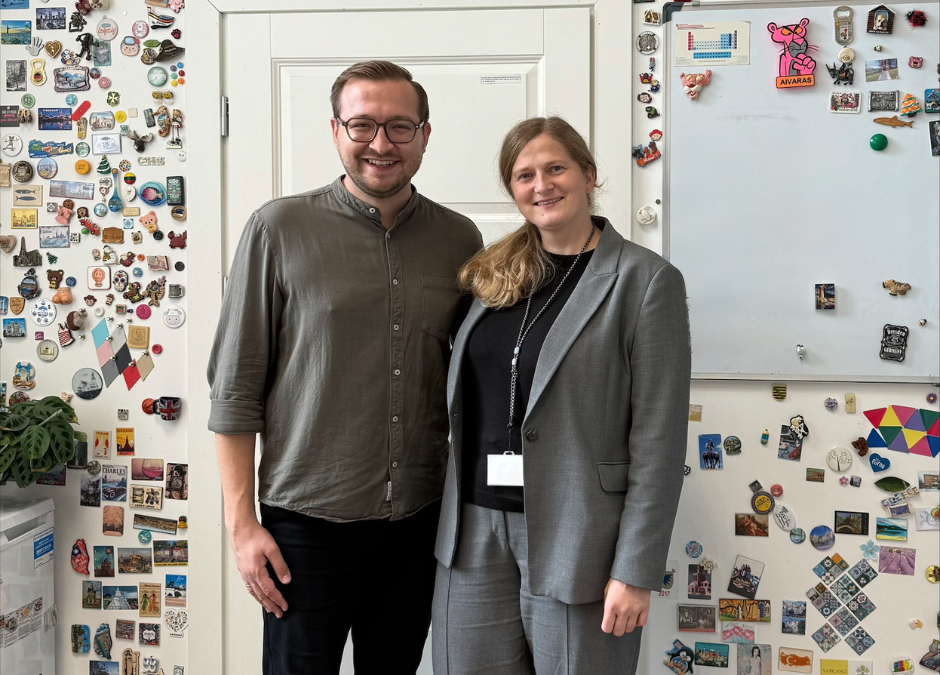
He speaks very highly of his time at VU FCHG. “I particularly appreciated the opportunity to work in a completely different research environment, use different equipment, and learn new laboratory techniques and approaches. I also had a very positive experience working with Prof. Justina Gaidukevič,” he says. “The atmosphere was friendly and supportive. Whenever I needed help with equipment or experiments, or had questions, there was always someone ready to help. I think this is especially important during an international internship, as it makes it much easier to adapt to a new environment and learn from other researchers.”
After returning to Poland, Krempiński plans to continue his research on electrochemical sensors. He wants to test new methods of electrode modification and sensor design, and develop some of the ideas that emerged during his stay at FCHG. His immediate goals are to complete his PhD, publish more of his findings, and take part in international scientific conferences. “In the future, I would like my scientific work to have a practical purpose and make a positive contribution to society. I’m still deciding whether to pursue a career in academia, industry or education, so the final year of my PhD will be an important time to make that decision,” he says.
To young researchers considering an international internship, Krempiński recommends being open to new environments and not being afraid to go somewhere unfamiliar. In his view, an internship abroad lets you see how other research groups work, learn new methods, meet new people, and look at your own research from a different perspective. Even a short visit can broaden your horizons and spark new ideas for future work.