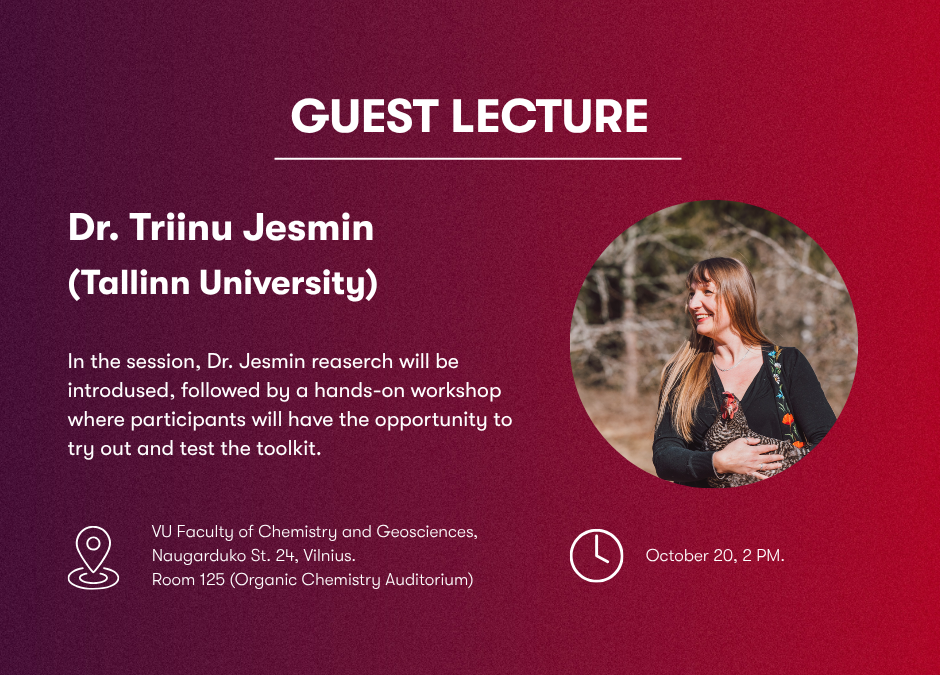
On October 20th at 2 PM, the VU Faculty of Chemistry and Geosciences (Naugarduko St. 24, Room 125) will host a guest lecture and hands-on workshop with Dr. Triinu Jesmin.
Triinu Jesmin, PhD,is a Research Fellow of Serious Games at Tallinn University, Estonia. Her research focuses on educational technology, game-based learning, teachers' use of games in education, and the intersection of games and sustainability.
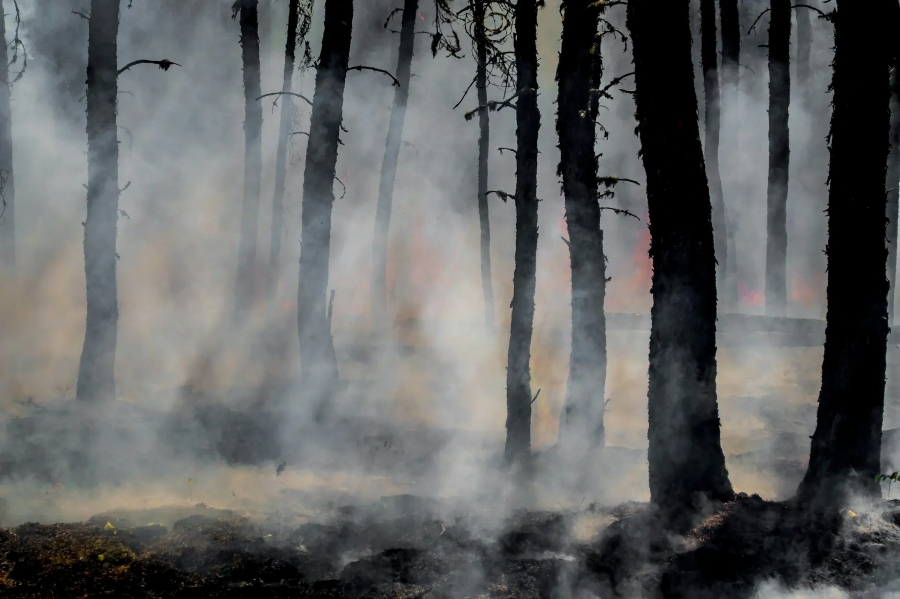
How do sandy coastal ecosystems recover after major wildfires, and does a landscape turning green again really mean that nature has recovered? Researchers from Vilnius University (VU) and the Nature Research Centre (NRC) used long-term satellite data to compare fire-affected areas on the Curonian Spit in Lithuania and the Kinburn Peninsula in Ukraine. The study published in the IEEE Journal of Selected Topics in Applied Earth Observations and Remote Sensing, revealed striking differences in the recovery of these areas.
VU FCHG International Conference Included in the Calendar of Events for the Lithuanian Presidency of the Council of the EU in 2027
The international scientific conference “European Rural Areas Facing Challenges: Transformations, Resistance and Adaptations”, organised by the Faculty of Chemistry and Geosciences at Vilnius University, has been included in the calendar of events for the Lithuanian Presidency of the Council of the European Union in 2027.
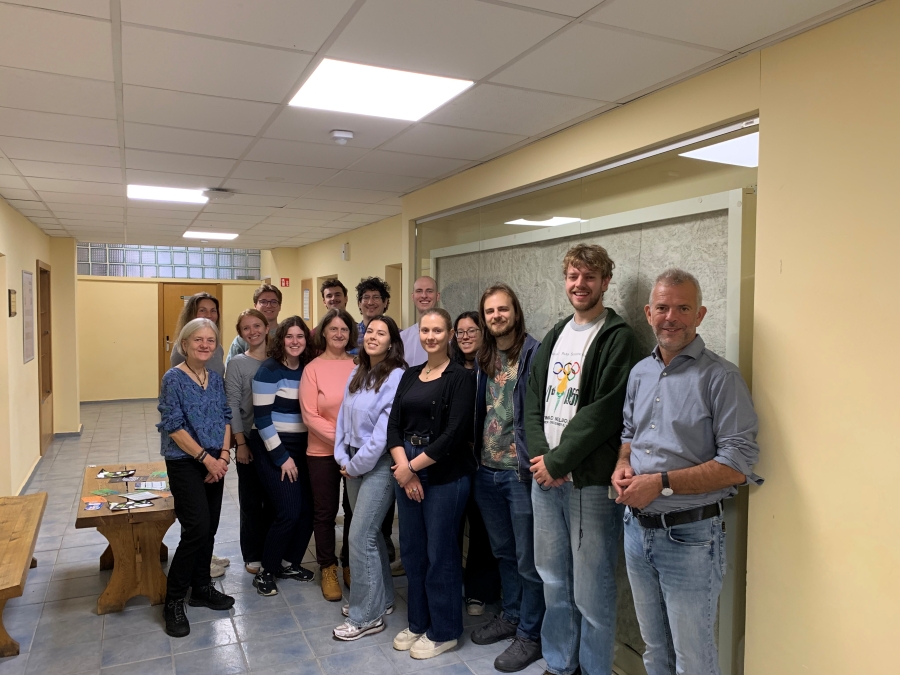
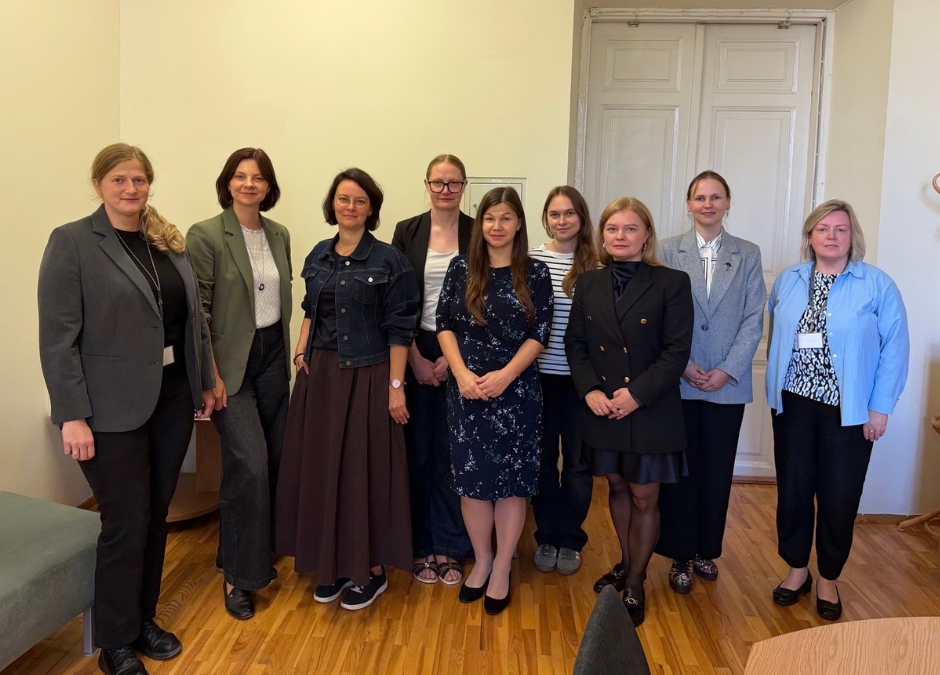
On 24 September, the Department of Geography and Land Management at the Institute of Geosciences, Vilnius University Faculty of Chemistry and Geosciences (VU FCHG), welcomed a group of Master’s students from the Department of Geography and Regional Research at the University of Vienna, led by Dr Yvonne Franz and Prof. Dr Martin Heintel.
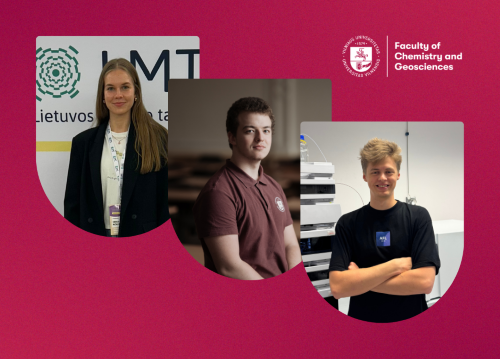
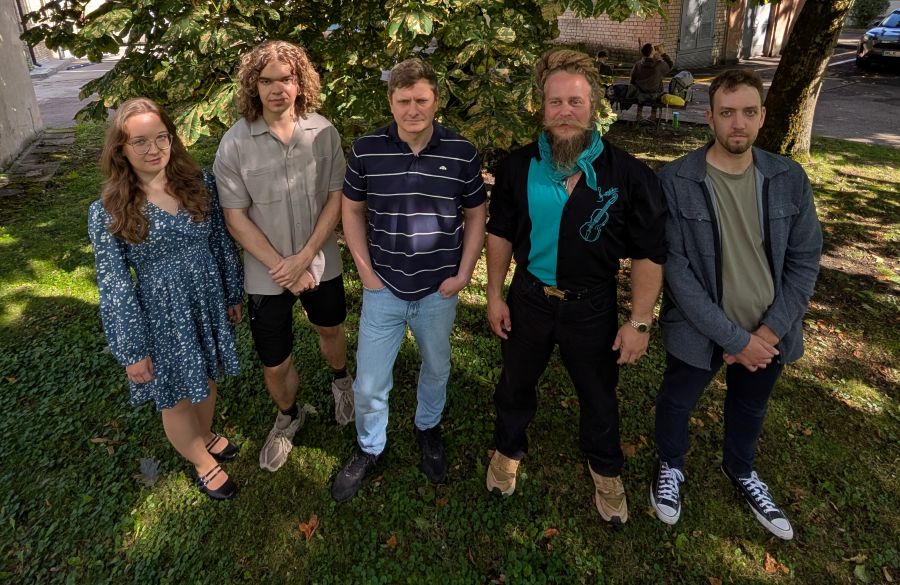
From the left: Gabija Sergejevaitė, Nojus Radzevičius, Prof. Dr. Edvinas Orentas, Jonas Žurauskas, Paulius Vaickūnas. (Photo from personal archive)
Finding a promising drug candidate often requires chemists to synthesise hundreds of slightly different versions of the same molecule. Yet each new analogue typically demands its own synthetic route, making the process slow, labour-intensive and expensive. Researchers at the Faculty of Chemistry and Geosciences of Vilnius University have now developed a new chemical method that could significantly simplify this work by allowing many different molecular variants to be generated from a single intermediate.
On September 16, a delegation from the Faculty of Natural Sciences and Technology at Riga Technical University visited the Vilnius University (VU) Faculty of Chemistry and Geosciences (FCHG).
During the visit, FCHG representatives introduced the guests to Vilnius University's experience in developing cosmetic chemistry studies. The meeting included discussions on study program development processes, curriculum design, and quality assurance principles. Student internships, career opportunities and the links between studies, science, and industry were also discussed. The representatives emphasized the importance of maintaining close cooperation with social partners, businesses and professional organizations to meet the demand for cosmetic chemistry specialists in the Baltic States and to train highly qualified professionals. Furthermore, the guests were given a tour of the Faculty's research and teaching laboratories. This infrastructure and the opportunities for developing practical skills are an integral part of training cosmetic chemistry specialists.
The "Advanced Materials and Technologies" conference took place in Palanga on August 24–28.It was attended by our faculty's postdoctoral researchers dr. Maab Elsheikh, dr. Agnieszka Lipke and PhD students Agnė Giniūnaitė, Justina Karčiauskaitė, Diana Vištorskaja, Olzhas Shalkha, Gabrielė Klydžiūtė, Edvardas Brimas, Aigul Dastankyzy.
Registration for Vilnius University's (VU) "Smart Internship", aimed at VU students, is open until September 20. During the internship, students tackle real business and institutional challenges in interdisciplinary teams of 5–7 people, working according to the Design Thinking methodology. Through the internship, students gain practical experience and build professional connections, and for some of them it becomes a first step toward their future career. The whole process is guided by an internship supervisor both at the University and at the partner organization, and is accompanied by additional training sessions to strengthen time management, teamwork, public speaking, and reflection skills.
A young researchers' team from Vilnius University (VU), led by Dr. Denis Sokol and PhD student Jonas Žurauskas from the Faculty of Chemistry and Geosciences (FCHG), has won the Research Council of Lithuania funding project titled “My First Research Team.” The team has been awarded 350,000 euros for three years of research aimed at developing an innovative method for destroying microplastics using light and sound. It is an idea developed by young scientists in the university's laboratory that could become an answer to one of today's most pressing global problems.
Vilnius University (VU) Faculty of Chemistry and Geosciences third-year Climatology and Hydrology student Gustė Gečaitė presented the results of her research on marine heatwaves in Baltic Sea lagoons at the 2026 student summer research internship conference “Summer of Science with RCL”, organised by the Research Council of Lithuania. Her presentation was recived a diploma for the best and most impactful presentation.